


Understanding the Importance of 510K Level 3 Surgical Gowns in Healthcare
2026-04-17
When it comes to maintaining a safe and sterile environment in healthcare settings, the use of appropriate personal protective equipment (PPE) is crucial. One such essential item is the 510K Level 3 Surgical Gown, which is designed to provide a high level of protection for both healthcare professionals and patients alike. Understanding the specifications and applications of these gowns can greatly enhance safety protocols in medical environments.
The 510K classification refers to the FDA's process for ensuring that medical devices, including surgical gowns, meet specific performance standards before they can be marketed. Level 3 surgical gowns are classified as a moderate risk, providing a barrier against fluid and particulates. These gowns are suitable for procedures where there is a moderate risk of exposure to blood and bodily fluids, such as surgeries and other invasive procedures.
One of the key benefits of using a 510K Level 3 surgical gown is the protection it offers against bacterial and viral transmission. The gowns are typically made from non-woven materials that are both breathable and resistant to fluids. This combination ensures that healthcare providers remain protected while being comfortable enough to perform their duties effectively.
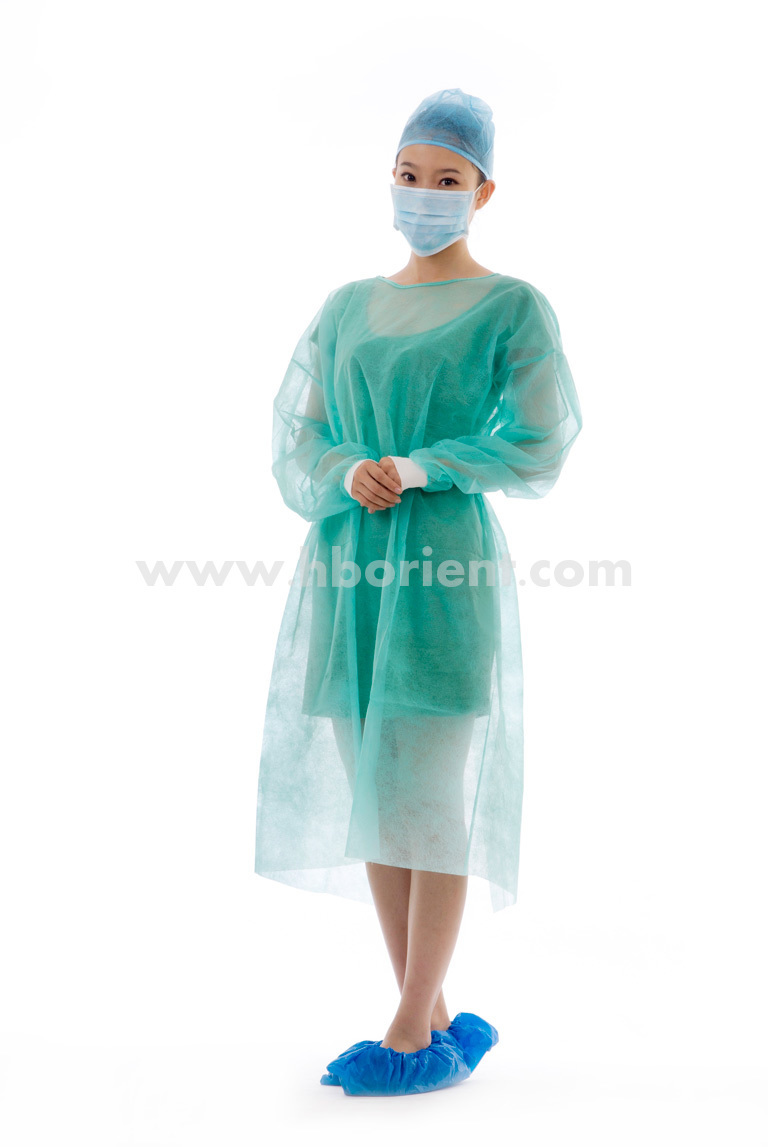
In addition to their protective features, 510K Level 3 surgical gowns often come with various design elements that enhance their functionality. Many gowns feature adjustable ties, elastic cuffs, and a snug fit that allows for ease of movement. These features not only provide comfort but also ensure that the gown stays securely in place throughout a procedure, minimizing the risk of contamination.
It is also important to note that the use of these gowns is particularly relevant in the context of infection control. By wearing 510K Level 3 surgical gowns, healthcare professionals can significantly reduce the likelihood of transmitting infections to patients during surgical procedures. This is especially vital in preventing healthcare-associated infections (HAIs), which pose a serious risk to patient safety and recovery.
Moreover, as healthcare regulations continue to evolve, the demand for compliant and effective protective gear is growing. Facilities looking to enhance their safety protocols should prioritize the use of 510K Level 3 surgical gowns to align with industry standards and best practices.
In conclusion, the significance of 510K Level 3 surgical gowns cannot be overstated. They serve as a critical line of defense in maintaining a sterile environment, ensuring both patient and healthcare provider safety. By understanding their features, benefits, and applications, healthcare facilities can make informed decisions about their PPE choices, ultimately leading to improved patient outcomes and enhanced safety practices in the medical field.
The 510K classification refers to the FDA's process for ensuring that medical devices, including surgical gowns, meet specific performance standards before they can be marketed. Level 3 surgical gowns are classified as a moderate risk, providing a barrier against fluid and particulates. These gowns are suitable for procedures where there is a moderate risk of exposure to blood and bodily fluids, such as surgeries and other invasive procedures.
One of the key benefits of using a 510K Level 3 surgical gown is the protection it offers against bacterial and viral transmission. The gowns are typically made from non-woven materials that are both breathable and resistant to fluids. This combination ensures that healthcare providers remain protected while being comfortable enough to perform their duties effectively.
In addition to their protective features, 510K Level 3 surgical gowns often come with various design elements that enhance their functionality. Many gowns feature adjustable ties, elastic cuffs, and a snug fit that allows for ease of movement. These features not only provide comfort but also ensure that the gown stays securely in place throughout a procedure, minimizing the risk of contamination.
It is also important to note that the use of these gowns is particularly relevant in the context of infection control. By wearing 510K Level 3 surgical gowns, healthcare professionals can significantly reduce the likelihood of transmitting infections to patients during surgical procedures. This is especially vital in preventing healthcare-associated infections (HAIs), which pose a serious risk to patient safety and recovery.
Moreover, as healthcare regulations continue to evolve, the demand for compliant and effective protective gear is growing. Facilities looking to enhance their safety protocols should prioritize the use of 510K Level 3 surgical gowns to align with industry standards and best practices.
In conclusion, the significance of 510K Level 3 surgical gowns cannot be overstated. They serve as a critical line of defense in maintaining a sterile environment, ensuring both patient and healthcare provider safety. By understanding their features, benefits, and applications, healthcare facilities can make informed decisions about their PPE choices, ultimately leading to improved patient outcomes and enhanced safety practices in the medical field.
Latest News



Quick Navigation
Ammex-Weida(Hubei) Health and Safety Products Co.,Ltd (Chinese Version)
Contact Us
5F,BLDG No.8,SOHO Town,CBD,Huaihai Road,Jianghan District,Wuhan,Hubei,China

Copyright © Hubei Orient International Trading Corporation