


Top Features to Look for in 510K Level 3 Surgical Gowns
2026-04-16
Top Features to Look for in 510K Level 3 Surgical Gowns
Introduction to 510K Level 3 Surgical Gowns
In the ever-evolving landscape of healthcare, surgical gowns serve as a crucial barrier in protecting both patients and healthcare workers. When selecting surgical gowns, particularly **510K Level 3 gowns**, it is essential to focus on features that ensure maximum protection without compromising comfort.
These gowns are rigorously tested for their resistance to fluid, bacterial penetration, and overall durability. In this article, we will delve into the top features to consider when choosing **510K Level 3 surgical gowns**.
Understanding 510K Level 3 Surgical Gowns
Before we explore specific features, let’s clarify what **510K Level 3 surgical gowns** are. This designation indicates that the gowns meet specific FDA standards for medical devices. Level 3 gowns provide moderate to high-level protection, making them suitable for surgical procedures that may involve exposure to bodily fluids.
Level 3 gowns are often used in various settings, including operating rooms, emergency departments, and during procedures where the risk of exposure is significant.
Key Features of 510K Level 3 Surgical Gowns
1. Fluid Resistance
Fluid resistance is one of the most critical features of **510K Level 3 surgical gowns**. These gowns are designed to offer a barrier against liquid penetration, protecting healthcare workers from exposure to potentially infectious materials. Look for gowns tested for their resistance to various fluids, including blood and other bodily fluids.
2. Breathability and Comfort
While protection is paramount, comfort should not be overlooked. Surgical gowns should be breathable to prevent overheating and discomfort during lengthy procedures. Choose gowns made from materials that allow air circulation while still providing a robust barrier.
3. Size Variety and Fit
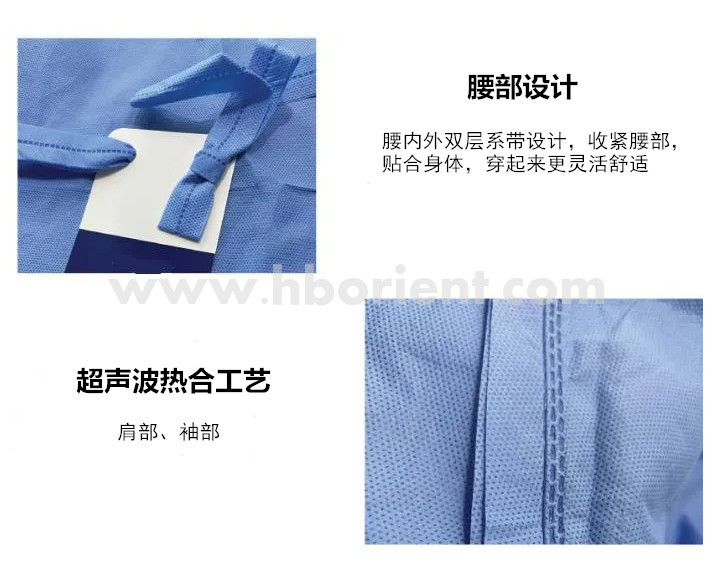
A proper fit is essential for both comfort and protection. **510K Level 3 surgical gowns** should come in various sizes, ensuring that all healthcare workers can find a suitable fit. Some manufacturers offer adjustable features like ties or elastic cuffs for a more tailored fit, enhancing both comfort and security.
4. Seam Construction and Integrity
The construction of seams is vital for maintaining the gown's integrity. Look for gowns with reinforced seams that minimize the risk of tearing or breaking during use. Seam integrity is crucial in maintaining the gown's protective qualities.
5. Sterility and Packaging
Sterility is a non-negotiable factor in surgical gowns. Ensure that the gowns are packaged in a sterile environment and labeled accordingly. The packaging should also be easy to open while maintaining sterility until the moment of use.
6. Compliance with Regulatory Standards
Confirm that the gowns comply with relevant regulatory standards, including ASTM, AAMI, and FDA guidelines. This compliance guarantees that the gowns have undergone rigorous testing and are suitable for medical use.
7. Durability and Reusability
Depending on the facility’s policies, consider whether you need disposable or reusable gowns. Disposable gowns offer convenience, while reusable gowns can be a cost-effective solution. Ensure that reusable gowns are durable enough to withstand multiple washings without compromising their protective features.
8. Fluid and Particle Barrier Properties
Gowns should possess barrier properties against both fluids and particulate matter. This dual protection is essential in surgical settings where contamination from airborne particles can also pose a risk. Look for gowns tested for both fluid and particulate barrier properties.
How to Choose the Right 510K Level 3 Surgical Gown
Choosing the right surgical gown involves balancing protection, comfort, and cost-effectiveness. Here are some steps to simplify the selection process:
Assessing Your Needs
Evaluate the specific procedures where the gowns will be used. Different surgical environments may have varying requirements for protection levels, which will help determine the best gown specifications.
Consulting Healthcare Professionals
Engage with healthcare professionals to gather recommendations based on their experience with different gown brands and types. Their insights can provide valuable guidance in selecting high-quality gowns.
Conducting Product Research
Research various manufacturers and products to compare features, prices, and reviews. Online platforms and healthcare supply catalogs often provide detailed information and user reviews that can aid in your decision-making process.
Trial and Feedback
If possible, conduct trials of different gowns to gather feedback from staff. Their comfort and usability ratings will help you make an informed decision that meets the needs of your healthcare team.
The Importance of Proper Use and Disposal
Understanding how to use and dispose of **510K Level 3 surgical gowns** is crucial in maintaining a safe surgical environment. Proper usage includes donning the gown correctly to prevent contamination and ensuring it remains intact throughout the procedure.
Additionally, follow proper protocols for gown disposal, particularly with disposable gowns, to minimize infection risks within healthcare settings.
Frequently Asked Questions (FAQs)
1. What is the difference between Level 2 and Level 3 surgical gowns?
Level 2 gowns provide moderate protection suitable for procedures with low to moderate risk of fluid exposure. In contrast, Level 3 gowns offer higher protection against heavy fluid exposure, making them appropriate for more invasive surgeries.
2. Are Level 3 surgical gowns reusable?
Some Level 3 surgical gowns are designed to be reusable and can withstand multiple sterilization processes. However, disposable gowns are also available for single-use purposes.
3. How should I store surgical gowns?
Surgical gowns should be stored in a clean, dry environment. Ensure they are protected from moisture and contamination, and keep them in their original packaging until ready for use.
4. Can surgical gowns be washed and disinfected?
Yes, reusable surgical gowns can typically be washed and disinfected according to the manufacturer's guidelines. It is essential to follow appropriate washing and sterilization protocols to maintain their protective features.
5. What materials are commonly used in Level 3 surgical gowns?
Level 3 surgical gowns are often made from non-woven materials, polyester, or a combination of these materials that provide both fluid resistance and breathability.
Conclusion
Selecting the right **510K Level 3 surgical gown** is a critical decision that affects the safety and comfort of healthcare workers and patients alike. By focusing on key features such as fluid resistance, breathability, fit, and compliance with regulatory standards, healthcare facilities can ensure they are making informed choices.
As the demand for high-quality surgical gowns continues to rise, understanding these features will empower healthcare professionals to select gowns that meet the rigorous standards required in today’s surgical environments. Make the right choice today for a safer tomorrow.
Latest News



Quick Navigation
Ammex-Weida(Hubei) Health and Safety Products Co.,Ltd (Chinese Version)
Contact Us
5F,BLDG No.8,SOHO Town,CBD,Huaihai Road,Jianghan District,Wuhan,Hubei,China

Copyright © Hubei Orient International Trading Corporation