


The Essential Guide to 510K Surgical Gowns: Ensuring Safety and Compliance in Healthcare
2026-04-15
---
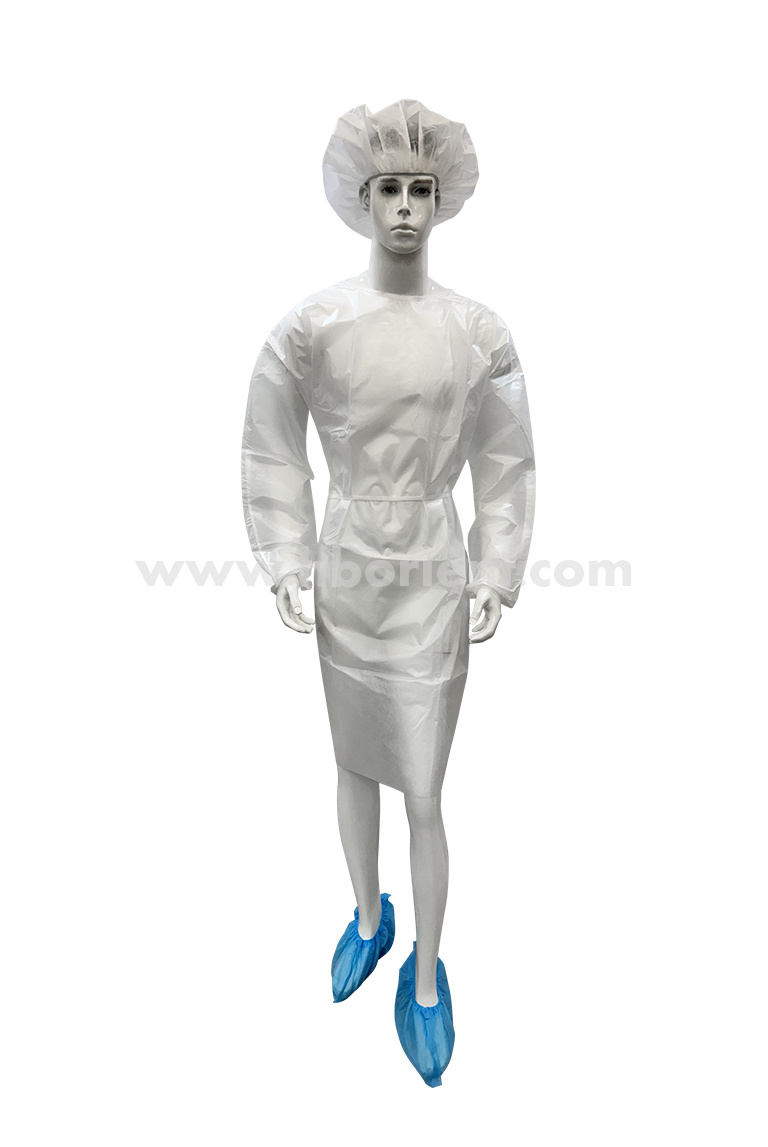
In the medical field, the integrity of surgical procedures relies heavily on the use of appropriate protective gear, among which the 510K surgical gown plays a pivotal role. These gowns are designed to provide a barrier between healthcare personnel and potential contaminants, ensuring a sterile environment during surgical operations. Understanding the characteristics and regulatory requirements of 510K surgical gowns is essential for maintaining safety standards in healthcare settings.
The term "510K" refers to a premarket submission made to the FDA, demonstrating that the surgical gown is as safe and effective as a legally marketed device. This process is vital because it ensures that the gowns meet specific performance standards, including fluid resistance, breathability, and microbial barrier properties. By adhering to these regulations, manufacturers can assure healthcare providers that their products are reliable and safe for use in critical environments.
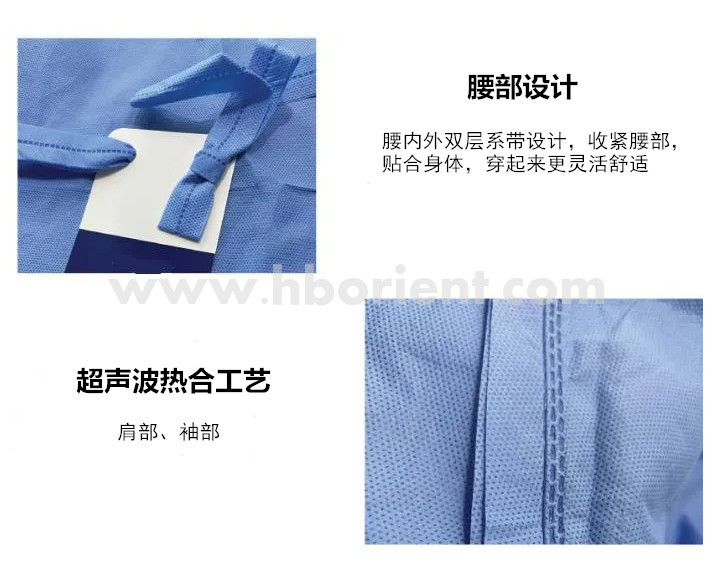
When selecting a 510K surgical gown, it is important to consider the materials used in its construction. Most surgical gowns are made from nonwoven fabrics, which provide excellent protection against fluids and contaminants. Additionally, some gowns feature reinforced areas, providing added strength where needed. The choice of fabric can impact not only the protection level but also the comfort and breathability for the surgical team, which is crucial during lengthy procedures.
Moreover, the classification of 510K surgical gowns varies based on their intended use. Level of protection is categorized from Level 1 (minimal risk) to Level 4 (high risk), which corresponds to the type of procedures they are designed for. Understanding these levels can help healthcare facilities ensure that they utilize the appropriate gowns for different surgical scenarios, thereby enhancing both safety and efficiency.
In addition to material and protection levels, compliance with the specific regulatory standards set forth by the FDA is critical. Regular audits and inspections help ensure that manufacturers maintain high-quality production practices. Healthcare providers must stay informed about these standards and choose gowns from reputable suppliers that adhere to the necessary regulations.
In conclusion, 510K surgical gowns are a fundamental component of healthcare safety during surgical procedures. Their compliance with FDA regulations, coupled with the right choice of materials and protection levels, ensures that healthcare professionals are safeguarded against potential hazards. By investing in quality surgical gowns, healthcare facilities can promote a safer environment for both patients and medical staff, ultimately enhancing the overall quality of care provided in surgical settings.
In the medical field, the integrity of surgical procedures relies heavily on the use of appropriate protective gear, among which the 510K surgical gown plays a pivotal role. These gowns are designed to provide a barrier between healthcare personnel and potential contaminants, ensuring a sterile environment during surgical operations. Understanding the characteristics and regulatory requirements of 510K surgical gowns is essential for maintaining safety standards in healthcare settings.
The term "510K" refers to a premarket submission made to the FDA, demonstrating that the surgical gown is as safe and effective as a legally marketed device. This process is vital because it ensures that the gowns meet specific performance standards, including fluid resistance, breathability, and microbial barrier properties. By adhering to these regulations, manufacturers can assure healthcare providers that their products are reliable and safe for use in critical environments.
When selecting a 510K surgical gown, it is important to consider the materials used in its construction. Most surgical gowns are made from nonwoven fabrics, which provide excellent protection against fluids and contaminants. Additionally, some gowns feature reinforced areas, providing added strength where needed. The choice of fabric can impact not only the protection level but also the comfort and breathability for the surgical team, which is crucial during lengthy procedures.
Moreover, the classification of 510K surgical gowns varies based on their intended use. Level of protection is categorized from Level 1 (minimal risk) to Level 4 (high risk), which corresponds to the type of procedures they are designed for. Understanding these levels can help healthcare facilities ensure that they utilize the appropriate gowns for different surgical scenarios, thereby enhancing both safety and efficiency.
In addition to material and protection levels, compliance with the specific regulatory standards set forth by the FDA is critical. Regular audits and inspections help ensure that manufacturers maintain high-quality production practices. Healthcare providers must stay informed about these standards and choose gowns from reputable suppliers that adhere to the necessary regulations.
In conclusion, 510K surgical gowns are a fundamental component of healthcare safety during surgical procedures. Their compliance with FDA regulations, coupled with the right choice of materials and protection levels, ensures that healthcare professionals are safeguarded against potential hazards. By investing in quality surgical gowns, healthcare facilities can promote a safer environment for both patients and medical staff, ultimately enhancing the overall quality of care provided in surgical settings.
Latest News



Quick Navigation
Ammex-Weida(Hubei) Health and Safety Products Co.,Ltd (Chinese Version)
Contact Us
5F,BLDG No.8,SOHO Town,CBD,Huaihai Road,Jianghan District,Wuhan,Hubei,China

Copyright © Hubei Orient International Trading Corporation