


How Type 3B Coveralls Provide Superior Protection Against Hazards
2026-04-14
How Type 3B Coveralls Provide Superior Protection Against Hazards
Introduction to Type 3B Coveralls
Type 3B coveralls are designed to offer superior protection in environments where hazardous substances are present. Unlike standard protective clothing, these coveralls provide a high level of barrier against liquids, chemicals, and biological agents, making them indispensable for a variety of industries, including healthcare, chemical processing, and environmental cleanup.
Understanding the Structure of Type 3B Coveralls
To appreciate the capabilities of Type 3B coveralls, it's essential to understand their construction and materials. These coveralls typically consist of multiple layers, each serving a specific purpose in safeguarding the wearer.
Material Composition
The primary materials used in Type 3B coveralls include:
- **Polyethylene**: A lightweight, waterproof material that offers excellent resistance to chemical permeation.
- **A breathable membrane**: Often incorporated to allow moisture vapor to escape while preventing liquid penetration, ensuring comfort during extended wear.
Seam Technology
Seams are crucial in the performance of coveralls. Type 3B coveralls feature:
- **Heat-sealed seams**: These seams are fused together to eliminate potential leakage points, providing an enhanced barrier against fluids and contaminants.
- **Stitched and sealed seams**: In certain designs, a combination of stitching and sealing is used for added durability and protection.
Key Features of Type 3B Coveralls
Understanding the key features of Type 3B coveralls can help users make informed decisions when selecting protective gear.
Liquid and Chemical Resistance
Type 3B coveralls are engineered to resist a wide range of chemicals and liquids. This property is critical in industries where exposure to hazardous substances is a daily risk.
Breathability and Comfort
While protection is paramount, comfort cannot be overlooked. These coveralls often incorporate features such as:
- **Ventilation openings**: Strategically placed vents promote air circulation, reducing heat buildup and enhancing comfort.
- **Flexible materials**: The use of stretchable fabrics allows for a full range of movement, making it easier to perform tasks without compromising safety.
Design and Fit
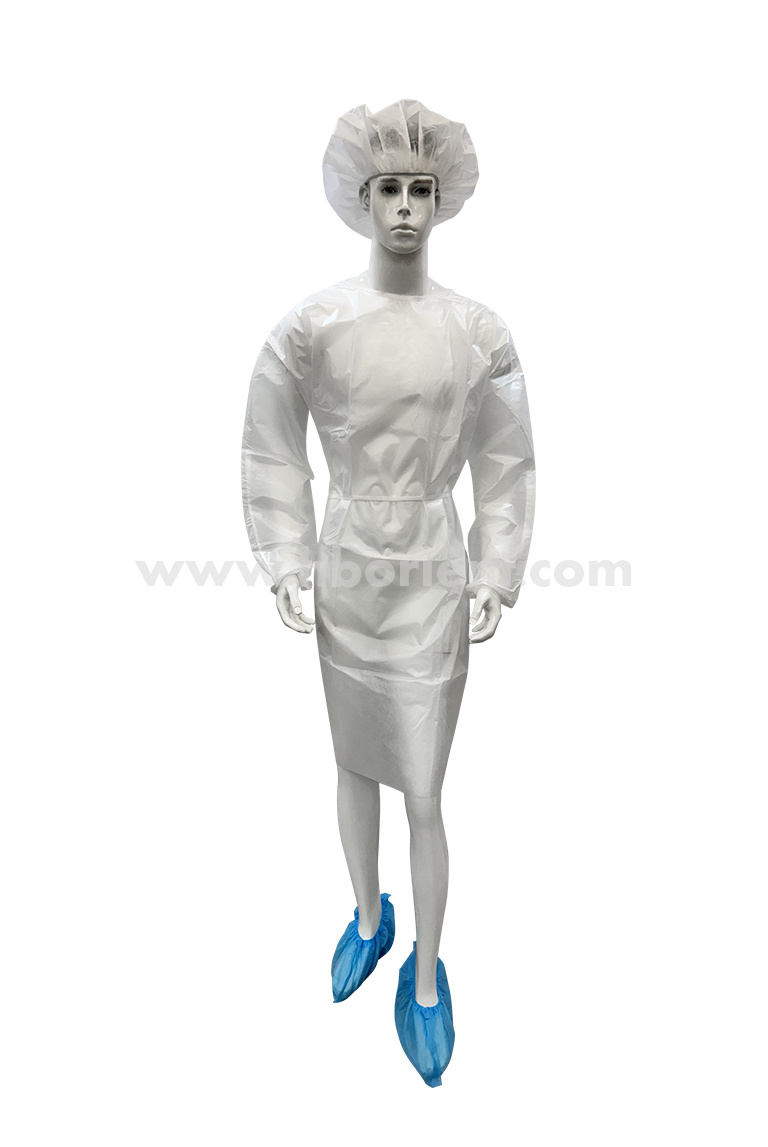
Type 3B coveralls come in various designs to suit different applications. Options include:
- **Hooded designs**: Provide additional head and neck protection against splashes and contaminants.
- **Elastic cuffs and ankles**: Ensure a snug fit to prevent exposure at the openings.
Applications of Type 3B Coveralls
The versatility of Type 3B coveralls makes them suitable for numerous applications.
Healthcare Settings
In healthcare environments, these coveralls are vital for protecting medical personnel from infectious diseases and hazardous materials. They are commonly used during:
- **Surgical procedures**: To prevent contamination.
- **Decontamination processes**: To protect workers handling biohazardous waste.
Industrial Use
Type 3B coveralls are essential in industrial settings, especially in:
- **Chemical manufacturing**: Where workers are exposed to harmful substances.
- **Oil and gas extraction**: Protecting workers from spills and hazardous materials.
Environmental Cleanup
During environmental cleanup operations, Type 3B coveralls provide necessary protection against hazardous waste, ensuring the safety of personnel as they work in contaminated areas.
How to Properly Use Type 3B Coveralls
For optimal protection, it's crucial to use Type 3B coveralls correctly.
Pre-Use Inspection
Before donning coveralls, conduct a thorough inspection to check for:
- **Tears or punctures**: Any damage can compromise protection.
- **Seal integrity**: Ensure that all seals are intact.
Correct Fit and Wear
Ensure the coveralls fit properly. Adjust straps and fastenings to prevent gaps that could expose the skin. Follow the manufacturer’s guidelines for donning and doffing procedures to minimize the risk of contamination.
Maintenance and Care of Type 3B Coveralls
Proper maintenance is essential to prolong the life and effectiveness of Type 3B coveralls.
Cleaning Instructions
Depending on the manufacturer's guidelines, cleaning methods may vary.
- **Disposable options**: Some Type 3B coveralls are designed for single use and should be disposed of after wear.
- **Reusable coveralls**: If reusable, follow the specific washing instructions, typically involving cold water and mild detergent to prevent damage.
Storage Recommendations
Store coveralls in a clean, dry environment away from direct sunlight and extreme temperatures to maintain material integrity.
Comparing Type 3B Coveralls to Other Protective Gear
Understanding how Type 3B coveralls stack up against other protective options can guide your choice.
Type 3B vs. Type 4 Coveralls
While both offer protection, Type 3B coveralls provide a higher level of resistance against liquid splashes, whereas Type 4 coveralls are better suited for chemical protection in pressurized environments.
Type 3B vs. Standard Coveralls
Standard coveralls may offer general protection but lack the specialized features that Type 3B coveralls provide, making the latter a better choice for hazardous environments.
Frequently Asked Questions (FAQs)
What industries should use Type 3B coveralls?
Type 3B coveralls are used in healthcare, chemical processing, environmental cleanup, and other industries where exposure to hazardous materials is a concern.
Can Type 3B coveralls be reused?
Some Type 3B coveralls are designed for single use, while others can be reused if properly cleaned according to the manufacturer's guidelines.
What is the difference between Type 3B and Type 5 coveralls?
Type 3B coveralls primarily protect against liquid chemicals, while Type 5 coveralls are designed for dry particle protection, making them suitable for different hazards.
How do I know if my Type 3B coveralls are damaged?
Inspect your coveralls before each use for any tears, punctures, or signs of wear. If you notice any damage, replace them immediately.
How should Type 3B coveralls be stored?
Store them in a clean, dry place away from sunlight and extreme temperatures to maintain their protective qualities.
Conclusion
Type 3B coveralls stand out as a premier choice for protection against hazardous materials. Their advanced materials, thoughtful design, and versatility make them indispensable in various industries. Proper use and maintenance of these coveralls ensure that they deliver the highest level of safety over time. Whether you're in healthcare, industry, or environmental cleanup, choosing the right protective gear is crucial. By opting for Type 3B coveralls, you're investing in safety, comfort, and confidence in hazardous environments.
Latest News




Quick Navigation
Ammex-Weida(Hubei) Health and Safety Products Co.,Ltd (Chinese Version)
Contact Us
5F,BLDG No.8,SOHO Town,CBD,Huaihai Road,Jianghan District,Wuhan,Hubei,China

Copyright © Hubei Orient International Trading Corporation