


Enhancing Patient Safety in the OR: The Role of 510K Surgical Gowns
2026-03-27
Enhancing Patient Safety in the OR: The Role of 510K Surgical Gowns
Table of Contents
- Introduction to 510K Surgical Gowns
- Understanding 510K Regulations and Compliance
- The Importance of Surgical Gowns in the OR
- Key Features of 510K Surgical Gowns for Enhanced Safety
- Patient Safety Benefits of Using 510K Surgical Gowns
- Materials Used in 510K Surgical Gowns
- Best Practices for Using Surgical Gowns in the OR
- The Future of Surgical Gowns in Patient Safety
- Frequently Asked Questions
- Conclusion
Introduction to 510K Surgical Gowns
In the fast-paced environment of an operating room (OR), ensuring patient safety is of paramount importance. One of the critical components in achieving this goal is the use of **510K surgical gowns**. These gowns are designed not only to provide protection to healthcare professionals but also to safeguard the patients undergoing surgical procedures. This article aims to explore the various dimensions of 510K surgical gowns and how they contribute significantly to patient safety in the OR.
Understanding 510K Regulations and Compliance
The term "510K" refers to the section of the Federal Food, Drug, and Cosmetic Act that requires medical device manufacturers to submit a premarket notification to the FDA. The purpose of this submission is to demonstrate that the new device is **substantially equivalent** to an already legally marketed device.
What Does 510K Approval Mean for Surgical Gowns?
For surgical gowns, obtaining a **510K approval** signifies that the product meets stringent regulatory standards set forth by the FDA. This ensures that the gowns have been evaluated for their effectiveness in preventing the transmission of microorganisms and bodily fluids.
The Compliance Process
Manufacturers must provide data demonstrating the gown's safety and efficacy. This includes laboratory testing for fluid resistance, bacterial filtration efficiency, and other critical performance metrics. Understanding these regulations helps healthcare facilities choose compliant products that enhance safety.
The Importance of Surgical Gowns in the OR
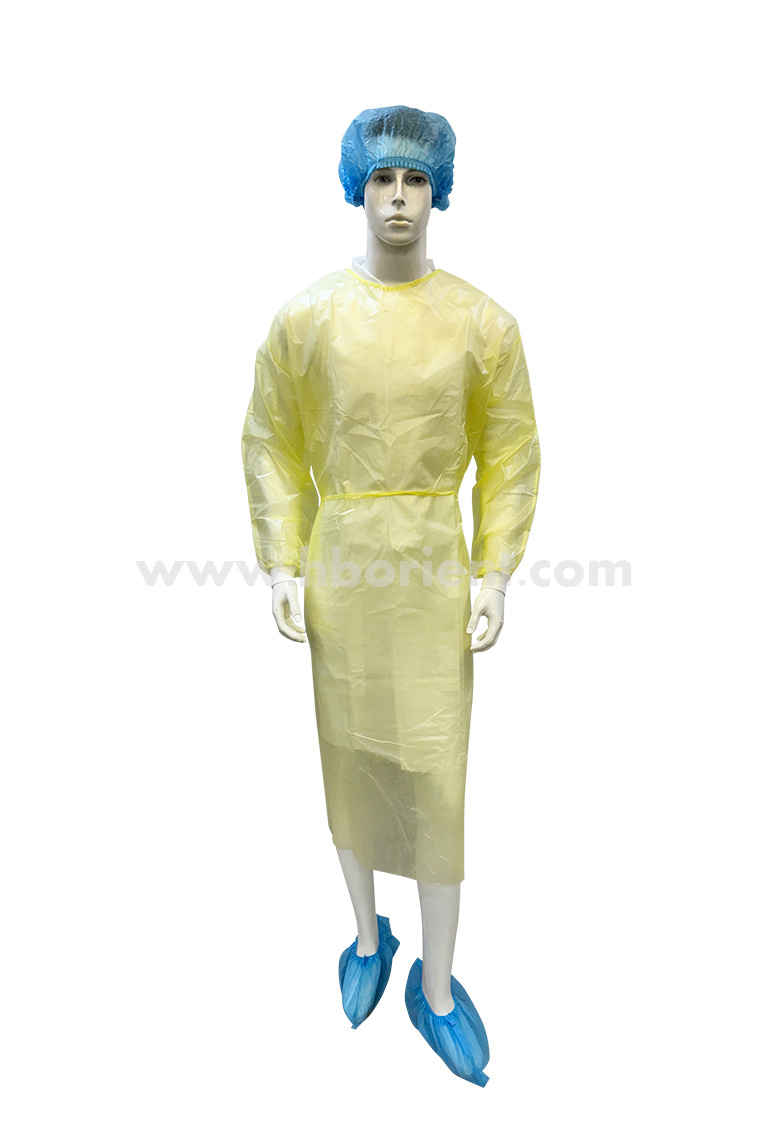
Surgical gowns serve multiple purposes in the OR. They are a barrier that protects both the surgical team and the patient from potential contaminants. The importance of surgical gowns goes beyond mere compliance; they play a vital role in infection control, which is crucial for successful surgical outcomes.
Infection Control and Prevention
Infections acquired in the OR can lead to severe complications, extended hospital stays, and increased healthcare costs. Surgical gowns provide a physical barrier against infectious agents, helping to minimize the risk of surgical site infections (SSIs).
Role of Gowns in Maintaining Sterility
Using properly fitted and high-quality surgical gowns ensures that the sterile field is maintained during procedures. This is essential for protecting patients from infections and other complications that can arise during surgery.
Key Features of 510K Surgical Gowns for Enhanced Safety
When evaluating 510K surgical gowns, several features are essential for maximizing patient safety. These features include:
Fluid Resistance
Surgical gowns must be designed to resist the penetration of fluids. This prevents harmful substances from reaching the sterile field and contaminating the surgical site.
Bacterial Filtration Efficiency (BFE)
The BFE rating indicates how effectively a gown can filter out bacteria. Higher ratings signify better protection, making it an essential feature in surgical gowns.
Comfort and Fit
A gown that fits properly allows for better movement and dexterity during procedures. Ensuring comfort can also reduce distractions for the surgical team, which contributes to overall patient safety.
Quality of Materials
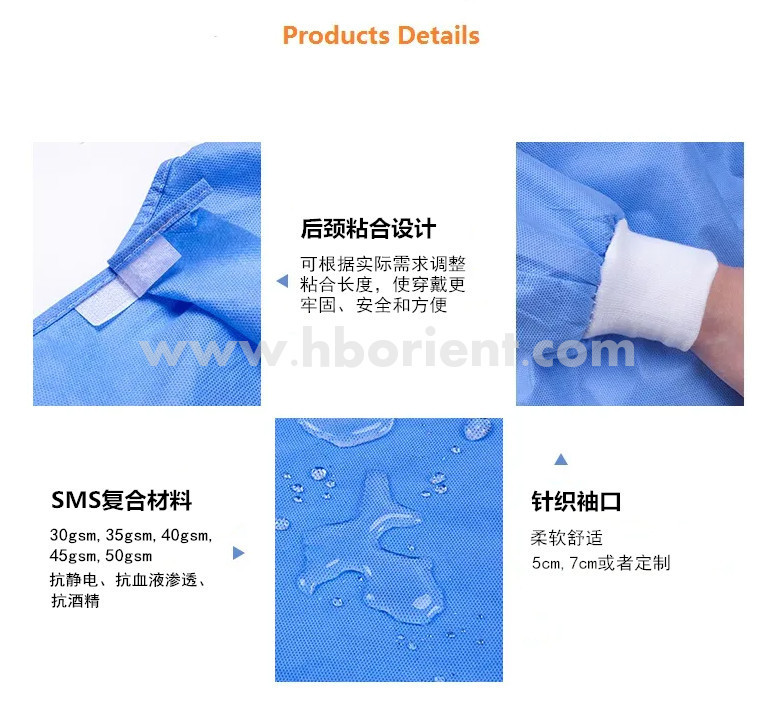
The materials used in the manufacturing of surgical gowns should be durable yet breathable. This ensures that the gowns can withstand the rigors of surgery while allowing healthcare professionals to remain comfortable.
Patient Safety Benefits of Using 510K Surgical Gowns
The implementation of 510K surgical gowns in the OR has numerous benefits that directly contribute to patient safety.
Reduction of Surgical Site Infections (SSIs)
Studies have shown that the use of properly designed surgical gowns significantly reduces the incidence of SSIs. By limiting the exposure of the surgical site to contaminants, patient outcomes improve.
Enhanced Compliance with Safety Protocols
When healthcare facilities use 510K surgical gowns, they ensure compliance with safety standards and protocols. This not only protects patients but also boosts the reputation of the facility.
Increased Confidence Among Healthcare Professionals
Knowing that they are using compliant and effective surgical gowns allows surgical teams to focus on the procedure rather than worrying about their safety or that of the patient. This confidence ultimately translates into better surgical performance.
Materials Used in 510K Surgical Gowns
The materials selected for surgical gowns play a crucial role in their effectiveness. Common materials include:
Polyethylene and Polypropylene
These synthetic materials are lightweight and offer excellent fluid resistance. They are often used in disposable surgical gowns to prevent cross-contamination.
Microporous Film
This material offers breathability while maintaining a barrier against fluids. Microporous film gowns are suitable for longer procedures where comfort is essential.
Reusable Fabrics
Some surgical gowns are made from reusable fabrics that undergo rigorous sterilization processes. These gowns must also meet 510K standards to ensure their effectiveness in infection control.
Best Practices for Using Surgical Gowns in the OR
To maximize the protective benefits of 510K surgical gowns, healthcare facilities should follow best practices:
Proper Donning and Doffing Procedures
Training staff on the correct methods to put on and take off surgical gowns is crucial for preventing contamination. Adhering to protocols ensures that gowns remain effective throughout the procedure.
Regular Monitoring and Compliance Checks
Facilities should regularly audit their use of surgical gowns to ensure compliance with 510K regulations. This includes checking the expiration dates and condition of the gowns.
Utilizing the Right Size and Fit
Selecting the appropriate size for each surgical team member is essential. Ill-fitting gowns can compromise safety and comfort, which may lead to distractions during surgery.
The Future of Surgical Gowns in Patient Safety
As technology advances, the future of surgical gowns is poised for innovation. Emerging trends include:
Smart Textiles
The integration of smart textiles could enable gowns to monitor environmental conditions and alert healthcare professionals to potential hazards.
Environmentally Friendly Materials
With growing concerns about waste in healthcare, manufacturers are exploring sustainable materials that do not compromise safety or performance.
Customizable Designs
Future surgical gowns may also feature customizable designs that meet the specific needs of different surgical procedures, enhancing both safety and performance.
Frequently Asked Questions
What does 510K mean for surgical gowns?
510K refers to the FDA's premarket notification process that ensures medical devices, including surgical gowns, are safe and effective.
How do 510K surgical gowns protect patients?
These gowns provide a barrier against contaminants, reducing the risk of surgical site infections and enhancing overall patient safety.
Are all surgical gowns 510K compliant?
No, not all surgical gowns are 510K compliant. It's crucial to verify that gowns used in the OR meet these regulatory standards.
What are the key features to look for in surgical gowns?
Key features include fluid resistance, bacterial filtration efficiency, comfort, and quality of materials.
How can surgical teams ensure the effectiveness of surgical gowns?
By following best practices for donning and doffing, selecting the right size, and regularly checking compliance, surgical teams can ensure gown effectiveness.
Conclusion
In conclusion, **510K surgical gowns** play an indispensable role in maintaining patient safety in the operating room. Their design and regulatory compliance ensure that healthcare professionals can perform their duties without compromising patient well-being. By understanding the features, benefits, and best practices associated with these gowns, healthcare facilities can significantly improve surgical outcomes and reduce the risk of infections. As we look to the future, continued advancements in materials and technologies promise to enhance the safety and efficacy of surgical gowns even further, reinforcing their vital role in patient care.
Latest News



Quick Navigation
Ammex-Weida(Hubei) Health and Safety Products Co.,Ltd (Chinese Version)
Contact Us
5F,BLDG No.8,SOHO Town,CBD,Huaihai Road,Jianghan District,Wuhan,Hubei,China

Copyright © Hubei Orient International Trading Corporation