


What You Need to Know About Microporous Film Laminates for Hygiene Products
2026-03-27
What You Need to Know About Microporous Film Laminates for Hygiene Products
Introduction to Microporous Film Laminates
Microporous film laminates have become pivotal in the production of hygiene products, offering a unique blend of functionality and safety. These laminates are engineered with tiny pores that allow moisture vapor to escape while keeping liquids and contaminants at bay. This characteristic makes them ideal for numerous applications, especially in industries where hygiene is paramount, such as healthcare, food processing, and personal care.
Understanding Microporous Film Laminates
What Are Microporous Film Laminates?
Microporous film laminates consist of several layers of polymer materials, typically polyethylene or polypropylene. The key feature is their microporous structure, which results from a specialized manufacturing process. This structure enables the film to achieve breathability while providing a liquid barrier.
Key Properties of Microporous Film Laminates
The properties of microporous film laminates are what make them exceptional for hygiene products:
- **Breathability**: The microporous design allows for excellent air and moisture vapor permeability, preventing heat buildup.
- **Liquid Resistance**: They provide a strong barrier against liquids and contaminants, ensuring product integrity.
- **Durability**: These laminates offer high tensile strength, making them suitable for various demanding applications.
- **Lightweight**: Their lightweight nature adds to their usability, especially in disposable products.
Applications of Microporous Film Laminates in Hygiene Products
Healthcare Industry
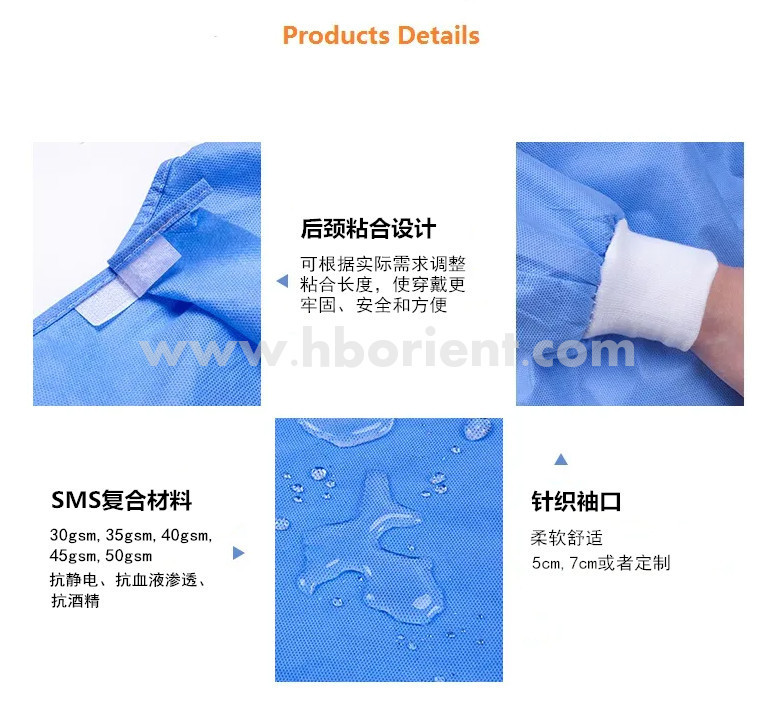
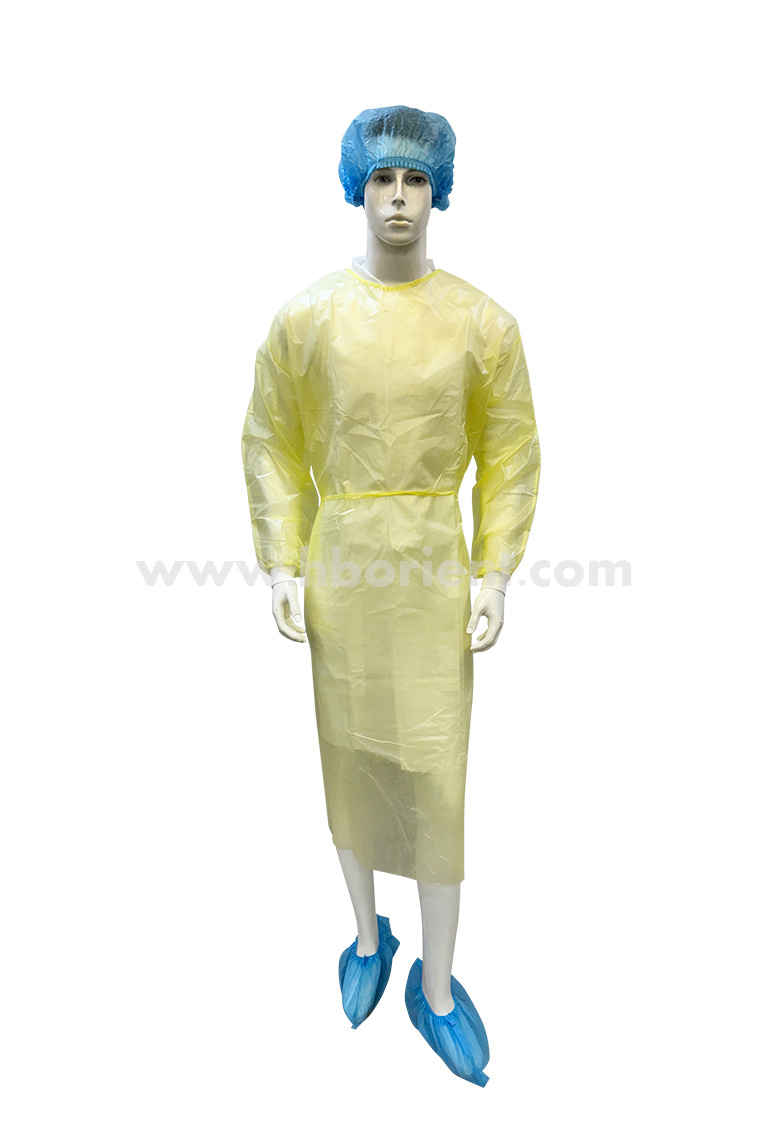
Microporous film laminates are extensively used in the healthcare sector. They are crucial in manufacturing surgical gowns, drapes, and other protective garments. By ensuring that healthcare professionals are shielded from biological fluids and pathogens, these laminates contribute significantly to infection control.
Food Packaging
In the food industry, maintaining hygiene and safety is vital. Microporous film laminates are employed in food packaging materials to preserve freshness while allowing gases to escape. This characteristic is essential for products like fresh produce, where respiration needs to be managed.
Personal Care Products
From diapers to feminine hygiene products, microporous film laminates play a key role in the personal care industry. Their ability to remain breathable while preventing leakage ensures comfort and hygiene for users.
Benefits of Using Microporous Film Laminates
Enhanced Comfort and Safety
One of the primary benefits of microporous film laminates is their enhanced comfort. Their breathability ensures that users do not experience overheating or discomfort, making them ideal for long-term wear in medical and personal hygiene applications.
Regulatory Compliance
Compliance with health and safety regulations is crucial in industries that require hygiene products. Microporous film laminates can be engineered to meet various regulatory standards, ensuring that they are safe for use in critical environments.
Cost-Effectiveness
While the initial investment in microporous film laminates may be higher than traditional materials, their durability and performance can lead to cost savings in the long run. Reduced product failures and increased user satisfaction can contribute to a healthier bottom line for manufacturers.
Choosing the Right Microporous Film Laminate
Factors to Consider
When selecting a microporous film laminate for hygiene products, several factors should be taken into account:
- **End-Use Application**: Different applications may require specific properties, such as varying degrees of breathability and liquid resistance.
- **Material Compatibility**: Ensure that the laminate is compatible with other materials used in your product.
- **Cost and Availability**: Assess the cost-effectiveness and availability of the materials to ensure timely production.
Testing and Quality Assurance
Quality assurance is critical when working with microporous film laminates. Testing for permeability, tensile strength, and liquid resistance ensures that the final product meets the required standards. Manufacturers should implement stringent quality control processes to maintain product integrity.
Future Trends in Microporous Film Laminates
As technology advances, the development of microporous film laminates is evolving. Here are some trends to watch:
Biodegradable Options
With increasing environmental concerns, the demand for biodegradable microporous film laminates is on the rise. Manufacturers are exploring sustainable materials that maintain the properties of traditional laminates while being environmentally friendly.
Smart Materials
The integration of smart technology into microporous film laminates is also gaining traction. This includes the development of materials that can change properties in response to environmental stimuli, enhancing their functionality.
Frequently Asked Questions (FAQs)
1. What are microporous film laminates used for?
Microporous film laminates are used primarily in hygiene products such as surgical gowns, food packaging, and personal care items. They provide a barrier against liquids and contaminants while allowing moisture vapor to escape.
2. How do microporous film laminates compare to other materials?
Compared to traditional materials, microporous film laminates offer superior breathability, liquid resistance, and durability, making them ideal for applications that prioritize hygiene and safety.
3. Are microporous film laminates safe for food packaging?
Yes, microporous film laminates are safe for food packaging as they can meet health and safety regulations, ensuring that food remains uncontaminated while preserving its freshness.
4. Can microporous film laminates be recycled?
The recyclability of microporous film laminates depends on the specific materials used. Some newer options are being developed with biodegradable properties to address environmental concerns.
5. What should I consider when selecting microporous film laminates for my product?
Consider factors such as the end-use application, required properties (breathability, liquid resistance), material compatibility, cost, and availability.
Conclusion
Microporous film laminates are revolutionizing the hygiene product industry. Their unique properties, such as breathability, liquid resistance, and durability, make them an essential component in various applications, including healthcare, food packaging, and personal care. As the demand for safe and effective hygiene products grows, these innovative materials will continue to play a significant role. By understanding the key aspects of microporous film laminates, manufacturers can make informed decisions that enhance product performance and meet the highest safety standards. Embracing these advanced materials will not only improve user experience but also contribute to a more sustainable future in hygiene products.
Latest News



Quick Navigation
Ammex-Weida(Hubei) Health and Safety Products Co.,Ltd (Chinese Version)
Contact Us
5F,BLDG No.8,SOHO Town,CBD,Huaihai Road,Jianghan District,Wuhan,Hubei,China

Copyright © Hubei Orient International Trading Corporation