


Understanding 510K Surgical Gowns: Essential Insights for Medical Professionals
2026-11-19
When it comes to surgical gowns, the term "510K" refers to a specific premarket submission process established by the U.S. Food and Drug Administration (FDA). This process is essential for manufacturers who wish to market a surgical gown or any medical device that is deemed substantially equivalent to an already marketed device. Understanding the nuances of the 510K process is crucial for healthcare facilities looking to procure surgical gowns that meet safety and effectiveness standards.
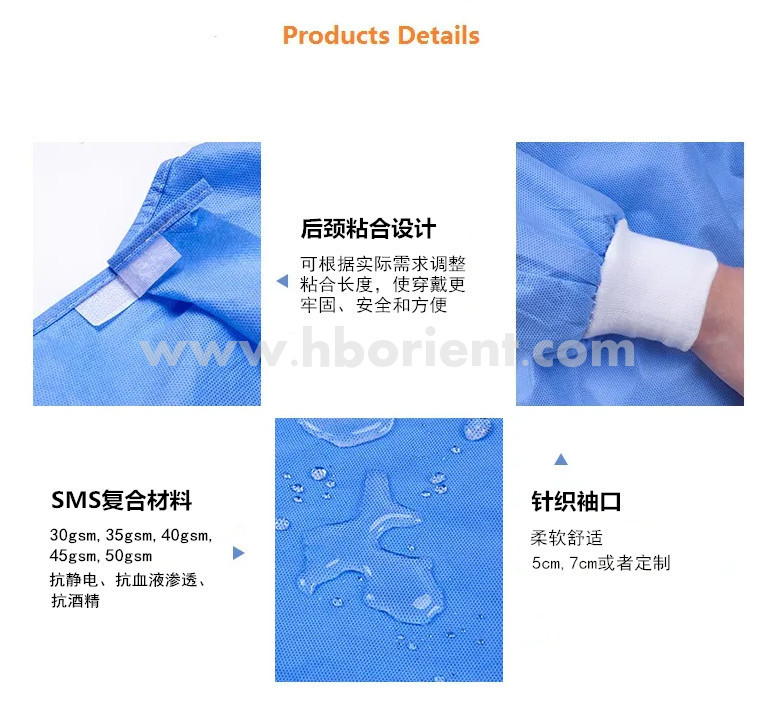
A 510K surgical gown is typically designed to provide a barrier against contaminants, ensuring that healthcare professionals remain protected during surgical procedures. These gowns are made from materials that are fluid-resistant, breathable, and comfortable for extended wear. The regulatory process requires manufacturers to provide data on the gown's performance characteristics, including resistance to penetration by blood and other bodily fluids, as well as any potential risks associated with their use.
The 510K submission process involves a thorough evaluation of the gown’s design, construction, and intended use. Manufacturers must demonstrate that their product is safe and effective for the specified patient population and clinical procedures. This includes providing test results that validate the gown’s performance against infection control standards. As a result, healthcare facilities can trust that gowns cleared through the 510K process have met stringent requirements for quality and reliability.
When selecting 510K surgical gowns, it is essential for medical professionals to consider factors such as the gown's level of protection, comfort, and fit. Gowns are generally categorized by their level of barrier protection, ranging from basic to high-risk procedures. For example, gowns used in open-heart surgeries require a higher level of fluid resistance compared to those used in minor surgical procedures. Ensuring that the correct level of protection is used can significantly reduce the risk of infection and enhance patient safety.
Additionally, healthcare facilities should prioritize sourcing surgical gowns from reputable manufacturers who comply with FDA regulations and adhere to best practices in production. This not only guarantees the quality of the gowns but also fosters a safe environment for surgical teams and patients alike.
In conclusion, the understanding of 510K surgical gowns is paramount for any medical professional involved in surgical operations. By familiarizing themselves with the regulatory standards, material properties, and selection criteria, healthcare providers can enhance the safety and effectiveness of their surgical practices, ultimately leading to better patient outcomes.
Latest News



Quick Navigation
Ammex-Weida(Hubei) Health and Safety Products Co.,Ltd (Chinese Version)
Contact Us
5F,BLDG No.8,SOHO Town,CBD,Huaihai Road,Jianghan District,Wuhan,Hubei,China

Copyright © Hubei Orient International Trading Corporation