


Understanding Type 3B Coveralls: Essential Protection for Safety and Hygiene
2026-07-31
When it comes to protective clothing, understanding the specifications and applications of different types is crucial. Type 3B coveralls are designed to offer a high level of protection against liquid chemicals and biological hazards, making them a preferred choice in sectors that require stringent safety measures.
Type 3B coveralls are characterized by their unique design, which includes a tight fit and sealed seams that provide a barrier against harmful substances. This makes them particularly useful in environments where exposure to hazardous materials is a risk, such as in healthcare, chemical handling, and waste management. The materials used in these coveralls are often resistant to penetration by liquids, ensuring that the wearer's skin is protected from potentially harmful agents.
One of the key features of Type 3B coveralls is their breathability. While they are designed to prevent the ingress of liquids, manufacturers often incorporate breathable fabrics that help to reduce heat buildup and increase comfort for the wearer. This is especially important in situations where personnel may need to wear the coveralls for extended periods.
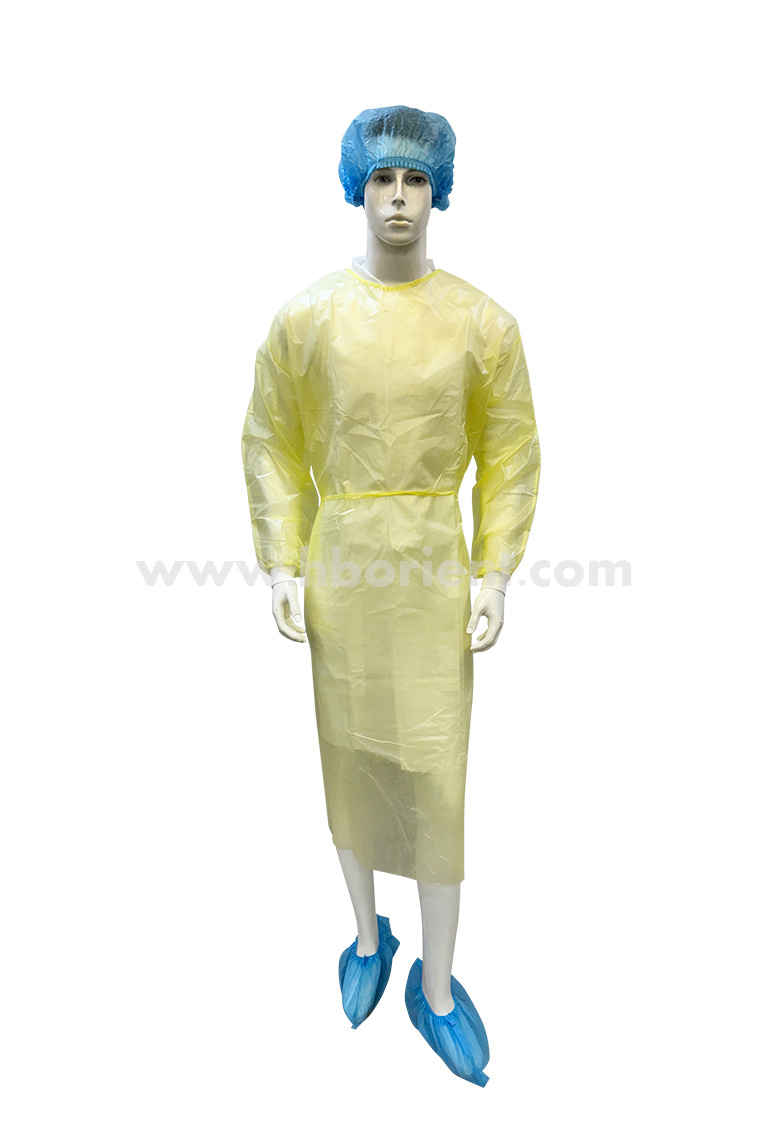
In addition to comfort and protection, Type 3B coveralls also come equipped with other important features. For instance, they often have hoods, elastic cuffs, and reinforced seams to enhance their protective capabilities. These details not only contribute to the overall effectiveness of the coveralls but also ensure that they fit well, reducing the risk of exposure through gaps in the fabric.
In terms of applications, Type 3B coveralls are widely used in various industries. In healthcare settings, they protect staff and patients from contamination and infection. In laboratories dealing with chemicals, they serve as a protective barrier for researchers handling potentially harmful substances. Moreover, in the field of cleaning and disinfection, these coveralls provide essential protection for workers who are managing biohazardous waste.
For businesses looking to enhance their safety protocols, implementing the use of Type 3B coveralls can be a significant step. While they are an investment, the protection they offer against hazards is invaluable. Ensuring that employees are equipped with the right protective gear contributes not only to their safety and well-being but also to increased operational efficiency.
In conclusion, Type 3B coveralls are an essential component in the realm of protective clothing. Understanding their features, applications, and benefits can help organizations make informed decisions about their safety equipment needs. By prioritizing the use of such protective gear, businesses can foster a safer working environment for all employees.
Type 3B coveralls are characterized by their unique design, which includes a tight fit and sealed seams that provide a barrier against harmful substances. This makes them particularly useful in environments where exposure to hazardous materials is a risk, such as in healthcare, chemical handling, and waste management. The materials used in these coveralls are often resistant to penetration by liquids, ensuring that the wearer's skin is protected from potentially harmful agents.
One of the key features of Type 3B coveralls is their breathability. While they are designed to prevent the ingress of liquids, manufacturers often incorporate breathable fabrics that help to reduce heat buildup and increase comfort for the wearer. This is especially important in situations where personnel may need to wear the coveralls for extended periods.
In addition to comfort and protection, Type 3B coveralls also come equipped with other important features. For instance, they often have hoods, elastic cuffs, and reinforced seams to enhance their protective capabilities. These details not only contribute to the overall effectiveness of the coveralls but also ensure that they fit well, reducing the risk of exposure through gaps in the fabric.
In terms of applications, Type 3B coveralls are widely used in various industries. In healthcare settings, they protect staff and patients from contamination and infection. In laboratories dealing with chemicals, they serve as a protective barrier for researchers handling potentially harmful substances. Moreover, in the field of cleaning and disinfection, these coveralls provide essential protection for workers who are managing biohazardous waste.
For businesses looking to enhance their safety protocols, implementing the use of Type 3B coveralls can be a significant step. While they are an investment, the protection they offer against hazards is invaluable. Ensuring that employees are equipped with the right protective gear contributes not only to their safety and well-being but also to increased operational efficiency.
In conclusion, Type 3B coveralls are an essential component in the realm of protective clothing. Understanding their features, applications, and benefits can help organizations make informed decisions about their safety equipment needs. By prioritizing the use of such protective gear, businesses can foster a safer working environment for all employees.
Latest News




Quick Navigation
Ammex-Weida(Hubei) Health and Safety Products Co.,Ltd (Chinese Version)
Contact Us
5F,BLDG No.8,SOHO Town,CBD,Huaihai Road,Jianghan District,Wuhan,Hubei,China

Copyright © Hubei Orient International Trading Corporation