


Understanding the Importance of 510K Surgical Gowns in Healthcare
2026-06-25
In the realm of healthcare, particularly within surgical settings, the use of appropriate personal protective equipment (PPE) is paramount. One such critical item is the 510K surgical gown, which plays a vital role in protecting both patients and healthcare professionals. The term "510K" refers to a specific regulatory pathway set forth by the U.S. Food and Drug Administration (FDA) for medical devices, which includes surgical gowns. Understanding the 510K clearance process is essential for ensuring that these gowns meet specific safety and efficacy standards before they are used in clinical settings.
The primary function of 510K surgical gowns is to act as a barrier against microbial contamination, fluids, and other potentially harmful substances encountered during surgical procedures. These gowns are designed to provide a high level of protection, which is crucial for maintaining a sterile environment. The gowns are typically made from materials that are both fluid-resistant and breathable, ensuring comfort for the surgical team while minimizing the risk of infection.
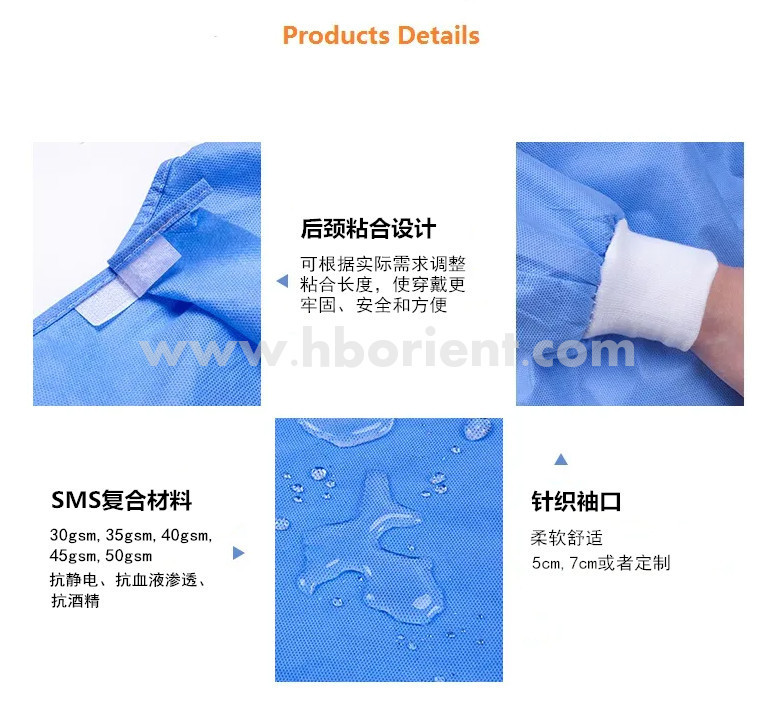
When considering the selection of surgical gowns, it is important to look for certain key features that enhance their protective qualities. For instance, gowns should be designed with reinforced seams to prevent fluid penetration and provide durability during extended use. Additionally, the gown's fit is crucial; it should allow for a full range of motion while ensuring that there are no gaps that could expose either the patient or the medical staff to contaminants.
Moreover, understanding the classifications of surgical gowns under the 510K regulatory framework is essential for healthcare facilities. Gowns are often categorized based on their level of protection, ranging from minimal to high-risk scenarios. This classification helps healthcare providers select the appropriate gown type based on the specific requirements of the surgical procedure being performed.
It is also worth noting that the sustainability and environmental impact of surgical gowns are becoming increasingly important in today's healthcare landscape. Many manufacturers are exploring options for reusable gowns that can be sterilized and used multiple times, offering a more environmentally friendly alternative to single-use gowns. This shift not only helps in reducing medical waste but also supports cost-effective practices within healthcare settings.
In conclusion, 510K surgical gowns are more than just a regulatory requirement; they are an essential component in the safety protocols of surgical environments. By understanding their importance and selecting the right type of gown for each procedure, healthcare professionals can significantly reduce the risk of infection and ensure a higher standard of care for their patients.
The primary function of 510K surgical gowns is to act as a barrier against microbial contamination, fluids, and other potentially harmful substances encountered during surgical procedures. These gowns are designed to provide a high level of protection, which is crucial for maintaining a sterile environment. The gowns are typically made from materials that are both fluid-resistant and breathable, ensuring comfort for the surgical team while minimizing the risk of infection.
When considering the selection of surgical gowns, it is important to look for certain key features that enhance their protective qualities. For instance, gowns should be designed with reinforced seams to prevent fluid penetration and provide durability during extended use. Additionally, the gown's fit is crucial; it should allow for a full range of motion while ensuring that there are no gaps that could expose either the patient or the medical staff to contaminants.
Moreover, understanding the classifications of surgical gowns under the 510K regulatory framework is essential for healthcare facilities. Gowns are often categorized based on their level of protection, ranging from minimal to high-risk scenarios. This classification helps healthcare providers select the appropriate gown type based on the specific requirements of the surgical procedure being performed.
It is also worth noting that the sustainability and environmental impact of surgical gowns are becoming increasingly important in today's healthcare landscape. Many manufacturers are exploring options for reusable gowns that can be sterilized and used multiple times, offering a more environmentally friendly alternative to single-use gowns. This shift not only helps in reducing medical waste but also supports cost-effective practices within healthcare settings.
In conclusion, 510K surgical gowns are more than just a regulatory requirement; they are an essential component in the safety protocols of surgical environments. By understanding their importance and selecting the right type of gown for each procedure, healthcare professionals can significantly reduce the risk of infection and ensure a higher standard of care for their patients.
Latest News



Quick Navigation
Ammex-Weida(Hubei) Health and Safety Products Co.,Ltd (Chinese Version)
Contact Us
5F,BLDG No.8,SOHO Town,CBD,Huaihai Road,Jianghan District,Wuhan,Hubei,China

Copyright © Hubei Orient International Trading Corporation