


Understanding Reinforced Surgical Gowns: Essential Insights for Healthcare Professionals
2026-05-23
Reinforced surgical gowns are an essential component of personal protective equipment (PPE) used in surgical settings. Designed to provide a higher level of protection than standard surgical gowns, these garments are specifically engineered to withstand the rigors of surgical procedures. Understanding their features and benefits can help healthcare professionals make informed decisions when it comes to surgical attire.
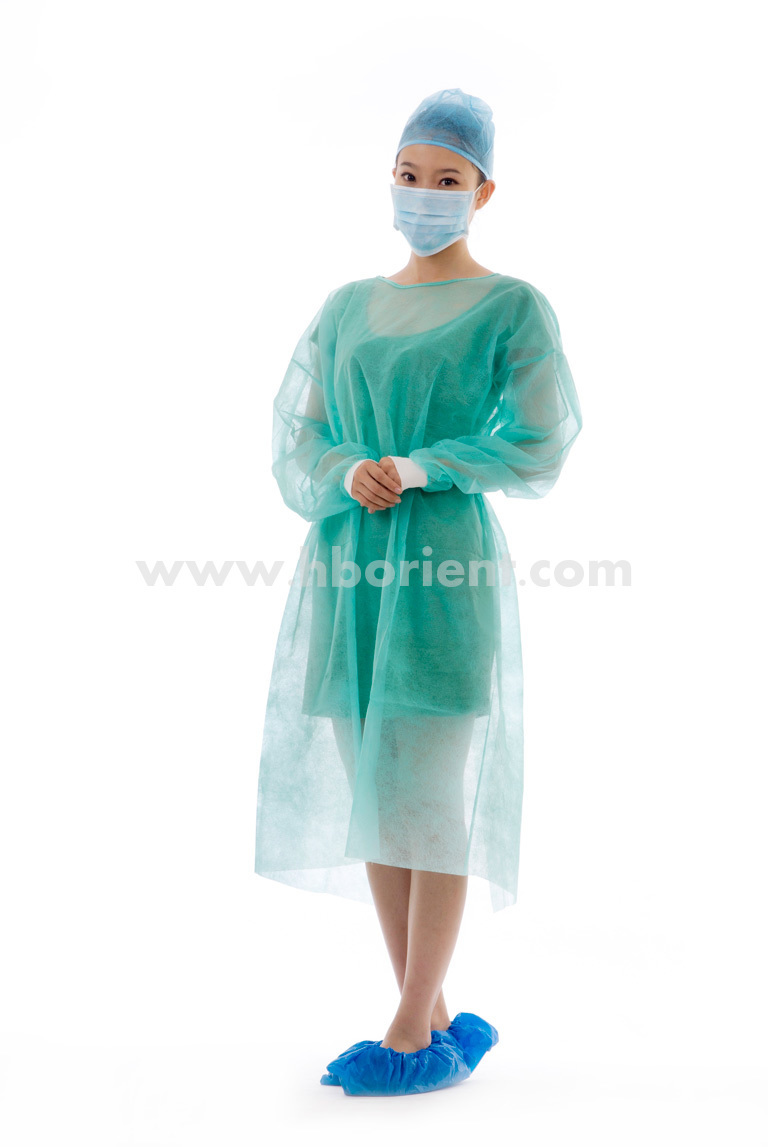
One of the primary functions of reinforced surgical gowns is to protect healthcare workers from exposure to blood, bodily fluids, and other potentially infectious materials. The gowns are typically made from advanced materials that offer barrier protection, ensuring that the surgical team remains safe during procedures. The reinforced areas, often found in the sleeves and front torso, provide additional durability where it is most needed.
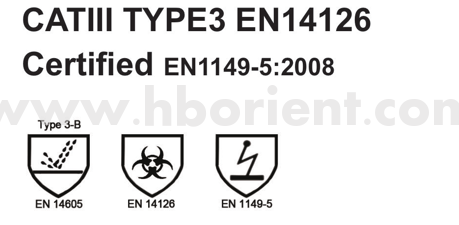
When selecting a reinforced surgical gown, healthcare professionals should consider several critical factors. The level of fluid resistance is paramount; gowns should comply with industry standards, such as those set by the American National Standards Institute (ANSI) or the Association for the Advancement of Medical Instrumentation (AAMI). It’s essential to choose gowns that are rated for the specific risks associated with the procedures being performed. For example, Level 3 or Level 4 gowns may be necessary for high-risk surgeries, where the likelihood of exposure to fluids is increased.
Another important aspect is the fit and comfort of the gown. Healthcare workers often spend long hours in the operating room, so a gown that allows for ease of movement while maintaining coverage is crucial. Look for gowns that have adjustable features, such as ties or Velcro closures, and consider the length and size options available to accommodate all body types.
Moreover, the breathability of the material is a key consideration. Surgical teams require gowns that provide adequate airflow to prevent overheating and discomfort during lengthy procedures. Innovative technologies have introduced materials that combine excellent barrier properties with moisture-wicking capabilities, allowing for better temperature regulation.
Lastly, it is essential to remember the environmental impact of surgical gowns. Many healthcare facilities are moving towards sustainable practices, including the use of reusable or biodegradable gowns. Understanding the lifecycle of the gown, from production to disposal, can help healthcare professionals make choices that align with their institution's sustainability goals.
In summary, reinforced surgical gowns play a vital role in maintaining the safety and efficacy of surgical procedures. By understanding their features, benefits, and selection criteria, healthcare professionals can ensure they are well-equipped to protect themselves and their patients during surgery. The right gown can not only enhance safety but also contribute to a more efficient and effective surgical environment.
One of the primary functions of reinforced surgical gowns is to protect healthcare workers from exposure to blood, bodily fluids, and other potentially infectious materials. The gowns are typically made from advanced materials that offer barrier protection, ensuring that the surgical team remains safe during procedures. The reinforced areas, often found in the sleeves and front torso, provide additional durability where it is most needed.
When selecting a reinforced surgical gown, healthcare professionals should consider several critical factors. The level of fluid resistance is paramount; gowns should comply with industry standards, such as those set by the American National Standards Institute (ANSI) or the Association for the Advancement of Medical Instrumentation (AAMI). It’s essential to choose gowns that are rated for the specific risks associated with the procedures being performed. For example, Level 3 or Level 4 gowns may be necessary for high-risk surgeries, where the likelihood of exposure to fluids is increased.
Another important aspect is the fit and comfort of the gown. Healthcare workers often spend long hours in the operating room, so a gown that allows for ease of movement while maintaining coverage is crucial. Look for gowns that have adjustable features, such as ties or Velcro closures, and consider the length and size options available to accommodate all body types.
Moreover, the breathability of the material is a key consideration. Surgical teams require gowns that provide adequate airflow to prevent overheating and discomfort during lengthy procedures. Innovative technologies have introduced materials that combine excellent barrier properties with moisture-wicking capabilities, allowing for better temperature regulation.
Lastly, it is essential to remember the environmental impact of surgical gowns. Many healthcare facilities are moving towards sustainable practices, including the use of reusable or biodegradable gowns. Understanding the lifecycle of the gown, from production to disposal, can help healthcare professionals make choices that align with their institution's sustainability goals.
In summary, reinforced surgical gowns play a vital role in maintaining the safety and efficacy of surgical procedures. By understanding their features, benefits, and selection criteria, healthcare professionals can ensure they are well-equipped to protect themselves and their patients during surgery. The right gown can not only enhance safety but also contribute to a more efficient and effective surgical environment.
Latest News



Quick Navigation
Ammex-Weida(Hubei) Health and Safety Products Co.,Ltd (Chinese Version)
Contact Us
5F,BLDG No.8,SOHO Town,CBD,Huaihai Road,Jianghan District,Wuhan,Hubei,China

Copyright © Hubei Orient International Trading Corporation