


Understanding 510K Surgical Gowns: Essential Insights for Medical Professionals
2026-02-20
Surgical gowns play a vital role in protecting both healthcare personnel and patients during surgical procedures. The term "510K" refers to a specific regulatory pathway established by the U.S. Food and Drug Administration (FDA) for medical devices, including surgical gowns. Understanding the implications of the 510K process is essential for healthcare professionals involved in the selection and use of surgical gowns.
The 510K submission process requires manufacturers to demonstrate that their surgical gowns are substantially equivalent to a legally marketed device. This entails providing data on design, materials, and performance testing. By adhering to these regulations, manufacturers ensure that their gowns meet the necessary safety and effectiveness criteria, thereby minimizing the risk of contamination and infection during surgical procedures.
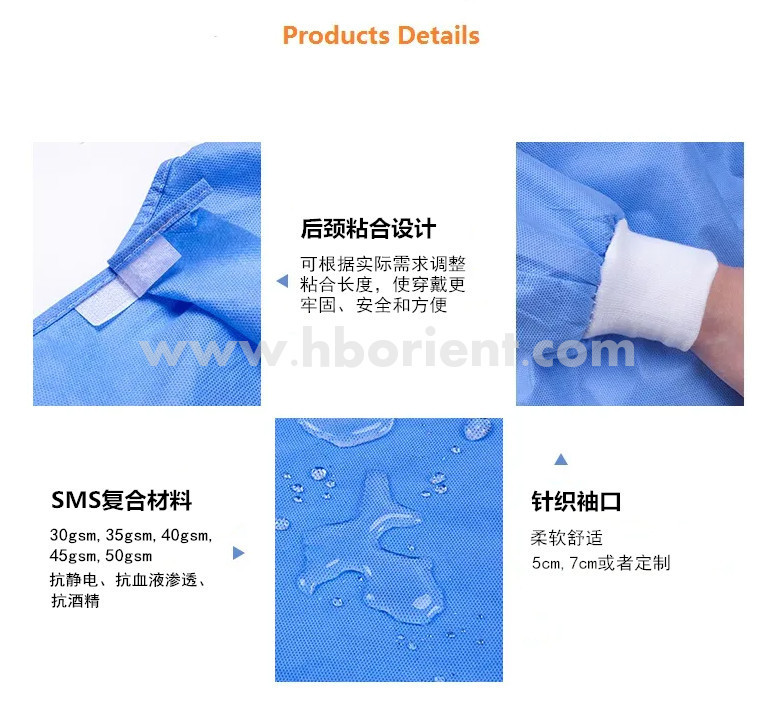
When it comes to the design of 510K surgical gowns, several key factors must be considered. First and foremost, the material used should provide an adequate barrier to fluids and microbial penetration. This is crucial, as surgical environments often expose personnel to blood and bodily fluids. Common materials used in the manufacturing of surgical gowns include spunbond polypropylene and SMS (spunbond-meltblown-spunbond) fabrics, which offer varying levels of protection and breathability.
Additionally, surgical gowns must be designed for comfort and mobility, allowing surgeons and surgical staff to perform their duties without restriction. Features such as adjustable ties, elastic cuffs, and a fit that accommodates different body types are essential components of a well-designed surgical gown.
The classification of surgical gowns also plays a role in their intended use. Surgical gowns can be classified into different categories based on their level of protection, which ranges from light to heavy-duty. Understanding these classifications helps healthcare professionals select the appropriate gown for specific surgical procedures, thereby enhancing safety and efficacy.
Moreover, the importance of proper gowning procedures cannot be overstated. Healthcare professionals should be trained in donning and doffing surgical gowns to prevent cross-contamination and ensure personal safety. Following best practices in gown use, including regular inspections for tears and defects, is critical to maintaining a safe surgical environment.
In conclusion, the 510K surgical gown is a critical component in the realm of medical devices, providing essential protection in surgical settings. By understanding the regulations, design standards, and proper usage practices associated with these gowns, healthcare professionals can enhance safety and effectiveness in their surgical procedures. This knowledge not only aids in compliance with regulations but also contributes to better patient outcomes and overall healthcare quality.
The 510K submission process requires manufacturers to demonstrate that their surgical gowns are substantially equivalent to a legally marketed device. This entails providing data on design, materials, and performance testing. By adhering to these regulations, manufacturers ensure that their gowns meet the necessary safety and effectiveness criteria, thereby minimizing the risk of contamination and infection during surgical procedures.
When it comes to the design of 510K surgical gowns, several key factors must be considered. First and foremost, the material used should provide an adequate barrier to fluids and microbial penetration. This is crucial, as surgical environments often expose personnel to blood and bodily fluids. Common materials used in the manufacturing of surgical gowns include spunbond polypropylene and SMS (spunbond-meltblown-spunbond) fabrics, which offer varying levels of protection and breathability.
Additionally, surgical gowns must be designed for comfort and mobility, allowing surgeons and surgical staff to perform their duties without restriction. Features such as adjustable ties, elastic cuffs, and a fit that accommodates different body types are essential components of a well-designed surgical gown.
The classification of surgical gowns also plays a role in their intended use. Surgical gowns can be classified into different categories based on their level of protection, which ranges from light to heavy-duty. Understanding these classifications helps healthcare professionals select the appropriate gown for specific surgical procedures, thereby enhancing safety and efficacy.
Moreover, the importance of proper gowning procedures cannot be overstated. Healthcare professionals should be trained in donning and doffing surgical gowns to prevent cross-contamination and ensure personal safety. Following best practices in gown use, including regular inspections for tears and defects, is critical to maintaining a safe surgical environment.
In conclusion, the 510K surgical gown is a critical component in the realm of medical devices, providing essential protection in surgical settings. By understanding the regulations, design standards, and proper usage practices associated with these gowns, healthcare professionals can enhance safety and effectiveness in their surgical procedures. This knowledge not only aids in compliance with regulations but also contributes to better patient outcomes and overall healthcare quality.
Latest News



Quick Navigation
Ammex-Weida(Hubei) Health and Safety Products Co.,Ltd (Chinese Version)
Contact Us
5F,BLDG No.8,SOHO Town,CBD,Huaihai Road,Jianghan District,Wuhan,Hubei,China

Copyright © Hubei Orient International Trading Corporation